2008年10月19日 星期日

10/23(四) 鴻鴻電影課: 歧路尋羊──溫德斯的電影旅程


10/23(四) 鴻鴻電影課
主題:歧路尋羊──溫德斯的電影旅程
主講人:鴻鴻 導演 (部落格:鴻鴻的過氣兒童樂園)
講座時間:10/23 (四) 晚上7:30 (《都市時裝速記》播放完畢後)

主講人簡介


本名閻鴻亞,1964年生於台南。畢業於國立藝術學院(現今的台北藝術大學)戲劇系,擁有豐富的劇場編導經歷,目前活躍在文學創作、劇場,以及電影領域。1991年鴻鴻參與編寫《牯嶺街少年殺人事件》電影劇本,並且一舉獲得金馬獎最佳原著劇本獎,讓他由劇場成功的跨足電影領域。

1998年,鴻鴻創立快活羊電影工作室,首次獨立執導的電影處女作《3橘之戀》即獲得威尼斯影展邀展,並奪下南特影展最佳導演獎。除了風格各異的電影作品之外,他也展現了豐富的創作力在文學、劇場和電視等領域。曾經多次獲得文學獎項,並出版多本文集、詩集和劇本,是位多才多藝的藝術工作者。(簡介引用自台灣電影筆記)


2008年10月16日 星期四

Donata Wenders


溫德斯來台訪問的行程,溫德斯的妻子Donata Wenders也會一起。 Donata Wenders是相當之名的攝影師,也曾為溫德斯的電影"樂士浮生錄"拍過劇照。以下是Donata的官方網站,點開Gallery可以看到很多她的攝影作品。

http://www.donatawenders.com/

2008年10月15日 星期三

《巴黎德州》的評論 Part 3 by Rey Bianchi


Wim Wenders' Paris Texas (1984) (Part 3)
(commentary by Rey Bianchi (Wen Huei-Min), NCCU English Dept (retired))


What I have written up to now pretty much sums up my impressions of what the story-line was trying to say: that belongs to structure, the sensibility, or the bones of the film.


What follow here is the essence, the sense, the flesh of the story.


1) Paris, Texas - well, after all, the IS the name of the movie, even tho it is only referred to 2 or 3 times in the whole thing. Paris was where Travis came from. More importantly, it refers to his mother more than himself. While he tried, unsuccessfully, to relate to his mother (Walt asked "why did you buy the land?" Travis: "...I forget"), when he re-discovered Jane, he finally understood what the real meaning of "Paris" was.


The town Paris, Texas was connected to Paris, France by name. The way i see it is that his father always embarrassed his mother when he said that his wife came from Paris. The key word relating to Paris in the story is "fancy". Travis said that "mom was not a fancy woman." It was impossible for his mother to come from Paris, France because she wasn't a fancy woman. But when Travis talked with Jane that first time and 1) saw her patience, 2) saw her willingness to listen, and 3) realized that Jane had never gone out with any other man, he considered Jane had matured a lot, and so considered her to be a fancy, or proper, woman, one who was worthy of taking care of Hunter. And so he had no problem giving him to Jane.


2) Heights: I mentioned before how Walt and Anne, by living/working high above the city, had isolated themselves. "Height" also had another meaning. After he got himself drunk and said that the place where he and Hunter were staying was not a place for a fancy woman, he moved Hunter to a high place in some hotel which was more worthy for Jane to stay. And the camera often strayed to show high objects. In this situation height also means "clearness." Remember when Travis met Walt high up to tell Walt that he was leaving to find Jane? He also said "it's nice up here; you can see things clearly." A high place was where he should bring Jane; that became very clear to him. Kind of like putting Jane on a pedestal where queens belong. Kind of like a "new Paris." More important than the old Paris with an empty lot.


3) A Road movie: this is clear from the lovely symmetry of the movie: Walt getting to know Travis again on their car journey West to California, Travis getting to know Hunter again on their car journey East to Texas, Travis sat in the back going West until the brothers were close again, Hunter sat in the back going East until they really became close again, Travis went West to meet his son for the first time in 4 years, then went East to meet his wife for the first time in 4 years, Travis was practical and earth-bound because he didn't like to fly, Hunter was a dreamer who talked about rockets and space travel.


4) A Feast for the Imagination: so many wonderful loose ends!!! Are these loose ends for us to think about re the characters?.. Well, for me, no. Rather, for us to think about re ourselves. Just think of these questions:
a) Should Walt have gone to get Travis?
b) Should Travis have gotten into Walt's car?
c) Should Anne have told Travis how to find Jane?
d) Should Walt have given Travis his credit cards and money?
e) Should Travis have allowed Hunter to go with him?
f) Should Travis have met Jane face-to-face?
g) Should Travis have left at the end of the film?

I'll bet that many of us would answer these questions differently, based on our own lives, loves, relationships, fears, money. Just substitute "Would I" for the first 2 words in each question. Paris, Texas is Everyman's film, no matter whether one is isolated or clearly involved, high above or down below, travelling to the East or to the West.

(本文作者為國立政治大學英文系退休教授 Rey Bianchi )

《巴黎德州》的評論 Part 2 by Rey Bianchi


Wim Wenders' Paris Texas (1984) (Part 2)
(commentary by Rey Bianchi (Wen Huei-Min), NCCU English Dept (retired))

Jane had isolated herself, partly because Travis had treated her so badly, yes, but also partly because she realized that she herself was one of the causes of the tragedy between herself and her husband. She ran too. She had never worked, so she felt she didn't have the means nor the maturity to care for Hunter.
Hunter was isolated by force of circumstances: that's where he found himself, with no real father o mother around...he accepted it, cause Walt and Anne were so good to him, but there was something missing. He didn't know what it was until his father came back. Even after his father came back, he couldn't know until they spent some time together. When Travis the Traveler said he was going to find Jane, Hunter thehunter said "what about me? I want togo too!....When are we going to go?


The big questions of the movie, which sentimental people ask are: why didn't Travis stay with his family? and Why leave Jane and Hunter alone?


Every one must answer these questions in his/her own heart. My answer (and only mine) is that he couldn't. He pretty much gave the answer in the tape recording to his son. He was afraid. Don't forget he had been away for 4 years, and before that had made a mess of his marriage. He had had no intention of going back to his family, and when he tried to fit in, tried to be a father again, when he re-discovered and loved his son "more than anything in the world," he was afraid. What would happen if he stayed with Jane and Hunter?...would the "real" Travis come out again? Out in the desert had he been planning to make a better life for himself in the future? No. He was running away from himself, and when he came back, he knew himself well enough that he still couldn't trust himself. He knew that much (we can see his effort at trying to find a "perfect" way to live when he polished and arranged the shoes so well, and when he tried to dress so well as a father should. But these ways were superficial).


If i ask will he find himself and go back to be with his family, i have missed the point. The writer/director gives no information about this. No two people will play out the plot of their lives in the same way. Oh, we can influence one another. Anne influenced Travis a lot by telling him where Jane could be found. And influences do change lives. It's interesting to note that in Anne's case, when trying to get rid of Travis so he wouldn't spend so much time with Hunter, she lost Hunter.


Jane. Jane is Hebrew for "God is gracious." Despite the sleezy type of work that Jane found herself in (we call it a "peep show" in English), she was working in what could be called a relatively harmless type of service. Whether she really helped men or not is again beside the point. The point for the author (to me) is that "every man's voice was your (Travis') voice." Every man who came to talk to her ("I'll listen. I have lots of time") was lost. It was too late, but in some way she was still trying to save Travis - to be gracious -through helping other men. Was she herself still lost? Well, you'll have to think about that....


Not seeing them was good. It was not important. She heard listened to, their voices. When Travis told his story to Jane, he didn't look at her. When Jane told her story to travis, she didn't look at him. The author is showing that the body is not always important in communication (I'll just take off my sweater." "No, no, no, no, no, no! don't"). It is the voice, the word which communicated. Jane was available to listen, to be there, to patiently be of service....this i believe is why Travis felt that Jane was ready to be a mother again.


(本文作者為國立政治大學英文系退休教授 Rey Bianchi )

《巴黎德州》的評論 Part 1 by Rey Bianchi

Wim Wenders' Paris Texas (1984) (Part 1)

(commentary by Rey Bianchi (Wen Huei-Min), NCCU English Dept (retired))

Harry Dean Stanton (Travis)
Nastassja Kinski (Jane)
Dean Stockwell (Walt)
Aurore Clement (Anne)
Hunter Carson (Hunter)


...as in any great work of art (the 7 major Art Forms are Music, Literature, Painting, Sculpture, Drama/Theater, Dance, and the newest addition, Film), the task of interpreting the work lies primarily with the viewer/audience. What did you get out of it? should be the question that the artist asks. The universality of a work, its greatness, is determined by the extent that it is identified with and appreciated by the greatest number of viewers/listeners.


Paris, Texas is great. It has been acclaimed both by audience and jury. It has something to say to all of us.


Whatever you get out of it should be different from what i got out of it. It tells its story, and we observe, and think, and reflect on how it has affected each one of us. What i have to say here is a reflection of what it means to me: what i got out of it for myself and for my relationship with others.


For me, it is a story of isolation. Walk and Anne were isolated, living high above the city, working high above the streets, playing out their own little lives as most people do...but it's kind of like every day, every year, was the same for them, repeated over and over (as depicted by Walt spinning that little top while he was
taking the plane to go and meet Travis).


Travis had isolated himself, in disgust over his own inability to love the way he should have, so in desperation he flung himself away from society, getting as far away from it as possible, never wanting to go back. He did not want to go back,
the further out he went, the farther away he got from the past. When Walt found him he had just about forgotten everything. He even escaped from Walt after Walt had found him. But deep down in his heart he was searching for something - probably himself - and he kept going on and on and on. One could say that he was wasting his life, but for me, he was a survivalist. He and Jane and Hunter were the survivalists in this story, and that's why they meant so much to each other.


(本文作者為國立政治大學英文系退休教授 Rey Bianchi )

2008年10月7日 星期二

[公告] 寫影評換海報,活動開始


寫影評,換海報


看完溫德斯的電影,內心充滿想法與感覺卻無處抒發?

即日起,將你看完溫德斯影展中任一部電影的心得,
以及對於影展的建議或想法,
寄到mysegments@gmail.com,就有機會得到影展海報一張。
注意:字數請在100以上,記得附上系級(服務單位),姓名,e-mail。

如果影評被刊登在影展部落格上,或者收到e-mail通知,
請在影展時找電影社社長換取影展海報。

2008年10月4日 星期六

[公告] 愛麗絲漫遊記 (Alice in the Cities)字幕更改

很抱歉,因為影片格式的問題,10/07(二) 愛麗絲漫遊記 Alice in the Cities 將會是英文字幕。不變之處請見諒。(其實,片中對話不多且淺白,英文字幕也很容易瞭解。)歡迎各位前來觀賞。

電影社社長 彥仕

2008年10月3日 星期五

溫德斯的電影課在政大


大師論壇室

時間:10/31(五) 15:00-17:00

地點:政治大學傳播學院劇場

對談:溫德斯導演VS.侯孝賢導演VS.【一頁台北】導演陳駿霖

主持:政大廣電系 陳儒修教授

德國新電影大師溫德斯與台灣新電影之父侯孝賢,當代最受尊崇的兩位導演,在行過數十年的電影路後,重新回溯創作美好的初啟:為什麼要拍電影?而憑藉著純粹無瑕的勇氣和夢想,他們一路開創新的電影語言,一再超越自己、超越觀眾……拍電影,真的有那麼好玩?而【一頁台北】導演陳駿霖,是如何跟隨著大師們的腳步,一頭栽進電影這個行業?(報名需加駐相關科系或職業)


大師工作坊

時間:10/31(五) 19:00-21:00

地點:政治大學傳播學院劇場

主持:政大廣電系 郭力昕教授

20歲的溫德斯,放棄醫學與哲學學業,滿腔熱情想當個畫家,卻沒有考上巴黎的藝術學校,那段時間窩在法國電影圖書館看了上千部電影,從此對電影著了迷。充滿行動力的溫德斯,除了成立公司做製片、當導演之外,還寫影評、攝影,更到大學裡教書……,非正統電影訓練出身,卻成為舉世傾慕的大導演。在千載難逢的溫德斯電影學堂,歡迎你前來聆聽與發問。(報名需加駐相關科系或職業、想問溫德斯的一個問題)


報名方式:
本次溫德斯在政大的所有活動,都在原子映像有限公司的網站上的系統報名。
請密切注意 http://www.atomcinema.com/wenders/


[公告] 溫德斯電影人數限制

因為第一場溫德斯影展人數過多,導致觀影品質下降,故即日起溫德斯影展每場限制70入場。每一場影片放映的晚上六點,在水岸咖啡門口發放號碼牌。六點十五分開放進場。

如有不便敬請見諒。


電影社 社長 彥仕

2008年10月2日 星期四

[短片] War in Peace


2007年慶祝坎城影展六十週年而製作的短片集《To Each His Own Cinema》,從世界各地找了36位著名的導演,用3分鐘展現出他們心中的電影院。這個〈War in Peace〉是溫德斯的部份。 溫德斯影展並未安排此短片,所以就在部落格上跟大家分享。

[短片] Twelve Miles to Trona


這個短片是溫德斯在《Ten Minutes Older: The Trumpet》中的部份,名為〈Twelve Miles to Trona〉。其他的導演像是Jim Jarmusch、Werner Herzog、陳凱歌,都也有自己的作品。因為此片過短,所以並沒有在溫德斯影展中播放。但這短短十分鐘的短片依舊很精采,剛好在土豆網上找到,就放在這裡跟大家分享。

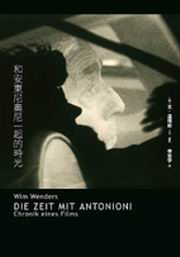
[閱讀] 和安東尼奧尼一起的時光


生命對我而言只意味著一件事:拍電影。--米開朗基羅.安東尼奧尼

  回顧這一天,我記起有幾次他的眼裡閃著淚光。
  當一個鏡頭拍攝如他所期望地實現,
  或是在一些誤解之後我們終於明白他的要求,
  他就會感動。

  甚至在準備階段,他眼裡的潮濕經常是我們方向一致的信號。
  看到這個驕傲和「貴族氣」的男人,
  一生中從不流露軟弱的跡象,現在卻是如此易感,有時那麼不堪,
  這該讓我們都去思索一下自己的「堅強」。--溫德斯

  兩位電影大師、兩個獨立而頑強的靈魂,
  在思想上碰撞,在藝術表現上激盪衝突,是電影史上獨一無二的生命交流……
  「雲端上的情與慾」拍攝日記


米開朗基羅.安東尼奧尼(Michelangelo Antonioni)

  世界著名電影導演。義大利二十世紀四O年代新現實主義電影的先驅者之一,曾被巴贊稱作「心理新現實主義」的代表人物。其做作品著重描繪中產與富裕階層人們的精神失落與荒蕪,以及在生活中充斥著焦慮的情狀,影片敘述常常以非戲劇性的衝突的人物心緒來鋪陳。

   安東尼奧尼1912年出生於義大利北部城市費拉拉。1939年他來到羅馬的電影學院學習導演理論與拍攝,1940年擔任羅馬權威電影雜誌《電影》編輯, 不久因為政治運動遭到解職。後曾擔任法國導演馬塞爾.卡內爾的助手,也為羅西里尼和費里尼寫過腳本。1943年他以第一部記錄片「波河的人們」奠定了新現 實主義的先鋒地位。1950年拍攝處女作「情事」,這部電影被評介為「暗示新現實電影將給義大利新氣息」。1960年,他執導具有新穎風格和充溢現代感悟 的「夜」

  在坎城影展轟動國際。1964年他的第一部彩色片「紅色沙漠」獲威尼斯金獅獎。安東尼奧尼創造性的運用色彩作為這部影片的一個 元素,被評論家認為「紅色沙漠」是電影史上第一部真正意義上的彩色片。1972年,作為關注學生運動的一名左翼義共導演,安東尼奧尼來到正處於「文革」期 間的中國,拍攝了大型紀錄片「中國」。1985年以後安東尼奧尼因病很少拍片。直到十年後,他在溫德斯的協助下完成了寂靜迷人的「雲端上的情與慾」。

  2004年,已逾九十高齡的安東尼奧尼仍繼續履行著他人生信條,「拍電影是我唯一的生存方式」,與王家衛、索德伯格聯合導演最新作品「愛神」(Eros)。

  2007年七月三十日辭世,享年94歲。

(以上引用自博客來網路書店)

2008年10月1日 星期三

[金馬影展] 帕勒摩獵影 The Palermo Shooting


帕勒摩獵影 The Palermo Shooting

導演 : 文溫德斯(Wim Wenders)
國別 : 德
年份 : 2008
片長 : 120min
規格 : 35mm
得獎紀錄 : 2008坎城影展競賽片


影片介紹

世界頂尖攝影師芬恩,享受著上流生活的卓越,直到人生出現大逆轉,讓他拋下一切遠行,來到西西里島首都帕勒摩。在這座古城,芬恩屢遭神祕狙擊;一路 驚險的旅程中,他卻意外邂逅真愛,人生頓時開啟新頁…國際名導文溫德斯再度集合宿命、愛情、神話等元素,主角迎向命運,交織出兼具驚人影像和抒情詩意的奇 遇旅程,對於生命的價值,文溫德斯始終有獨特的詮釋。

The film follows a German photographer (played by Campino, singer of German punk band Die Toten Hosen) who comes to Palermo because he needs to make a clean break from his past. In the city he meets a young woman and a completely different way of life.

11/10 (一) 日新威秀 1廳 13:00
11/17 (一) 日新威秀 1廳 10:30
11/19 (三) 日新威秀 1廳 22:40

金馬影展網站

[閱讀] 一次:影像和故事


  • 作者:溫德斯/著
  • 原文作者:Wim Wenders
  • 出版社:田園城市
  • 出版日期:2005年05月01日
  • 語言:繁體中文 ISBN:9867705734

  當代電影中最偉大的藝術心靈之一的德國大導演溫德斯,於其電影中展現了獨具的智慧、創造力及敏感性,其電影已超越了語言及國界。在本書中,溫德 斯將同樣的文學詩意及電影般的場景帶入此一攝影性散文中,它同時也是一本旅行日記、攝影相簿,更是這位導演透過他的詩意之眼捕捉出日常生活一些隱藏著的片 段,以如詩般的旋律訴說著他的心境及看法,鋪陳出了一系列短片般的短篇故事。

   “有一次……”,童話總是這樣開始。溫德斯在這本簡潔優雅的攝影文集中,以文字與影像串搭如同隨興的抒情詩一般。二百多幀的照片、四十多段的日記式散文隨 筆,是溫德斯在世界各地影片拍攝時或堪景時的旅途中記錄下來的各種經歷,尋常或不尋常的。旅行散文和照片日記合二為一,真實的旅行和選景拍攝的工作隨感、 平常生活諸如五百年歷史的阿爾卑斯山農莊小屋、街頭流浪人……書中旅途遍及世界各地:美國、澳洲、日本、峇里島、冰島、俄國、南非等等,其中有許多世界電 影大師和同行故事,如黑澤明、高達、大島渚、馬丁.史柯西斯等等,映照出電影銀幕之外真實的一面。

  溫德斯曾說過:“每一幅圖片都可以是 一部電影的第一個鏡頭。”正說明了這本圖片日記集的風格——影像優美,滿溢生命力和豐富意涵,文筆真摯令人難忘。對溫德斯而言,觀看的詩意和敘述的旋律都 屬於其藝術創造裏決定性的部分,《一次》敘述了一個電影人與世界的相遇、看法和印象,更是溫德斯坦言的心愛之作。(以上引用自博客來網路書店)

2008年9月29日 星期一

溫德斯(Wim Wenders)傳記


溫德斯傳記(Wilhelm Ernst Wenders)

溫德斯堪稱當今國際地位最崇高的德國導演,也是歐洲電影學院的主席。他曾與荷索、法斯賓達並稱「德國新電影三傑」,擅長以公路旅程來檢視人際與孤獨,而他的製作公司就取名為「公路電影公司」。作品獲獎無數,其中《巴黎德州》、《慾望之翼》、《咫尺天涯》分獲坎城影展金棕櫚獎、最佳導演、評審團特別大獎,《事物的狀態》則獲威尼斯影展金獅獎。

溫德斯對各地的文化皆充滿興趣,擅於將不同地域的風貌透過自己的觀點來重新詮釋,近年拍片的重心基本上除了德國之外,更多是在美國、南美、亞洲或非洲等,而本片導演陳駿霖跨文化的背景,與本片欲闡述的概念、敘事出發的位置,都與溫德斯不約而同有些相像,也因此,這部電影讓溫德斯感到好奇與親切,在看過陳駿霖導演的得獎短片與劇本之後,認為他是極有潛力的新銳導演,更慨然允諾擔任本片的監製。

文‧溫德斯(Wim Wenders),外科醫生之子,1945年8月14日,上午8點10分出生於德國杜塞道夫((Düsseldorf)。

「文」(Wim),源於荷蘭語,來自溫德斯母親的姓氏。他的雙親決定取名為此名字,卻被地方當局拒絕了,理由是「文」並非一個適當的德國名字。所以只得另起個發音最相似的名字「維姆」(Wilhelm)作為出生證明與護照上的名字,全名「恩斯特‧維姆‧溫德斯」(Ernst Wilhelm Wenders),「恩斯特」(Ernst)乃溫德斯教父的名字。

從位於魯爾區工業城奧伯豪森的體育專門高中畢業後,溫德斯開始在弗萊堡 (Freiburg)與杜塞道夫學習醫學(1963-64)與哲學(1964-65)。不過他卻中斷了他大學學業,決定要成為一名畫家。溫德斯1966年 10月搬去巴黎,但並未通過藝術學院的入學考試。他轉而在美國藝術家強尼弗里德崙德(Johnny Friedlander)位於蒙帕拿斯(Montparnasse)的工作室中當雕刻師。在那段期間,溫德斯成了法國電影資料館 (CinemathèqueFrancaise)的常客,一天最多可以看五部電影,總共累積了超過上千部的片量,並自此對電影著了迷。

溫德斯於1967年回到德國,短暫地在聯美影業(United Artists)的杜塞道夫工作室工作,接著在秋季進入甫於慕尼黑成立的電視與電影大學(Hochschule für Fernsehen undFilm München,HFF Munich)就讀。(法斯賓達曾被該校拒絕,一怒之下便馬上捲起袖子拍電影給他們好看)1967至1970年於慕尼黑電視與電影大學求學期間,溫德斯也在《電影評論》(FilmKritik)擔任影評,並為慕尼黑當地日報《南德日報》(SüddeutscheZeitung)、與《Twen》、《明鏡週刊》(Der Spiegel)等報章雜誌撰寫影評。同一段期間溫德斯完成了許多短片,在1968年的盛夏,他因為參加抗議對學運領袖杜奇科(RudiDutschke)攻擊事件的示威運動而遭到逮捕,並因拒捕而被判緩刑六個半月。

溫德斯畢業時以原本半小時三十五釐米的預算,交出《夏日遊記》(Summer in the City)這部十六釐米黑白劇情長片。但他真正開啟他的職業生涯是在1971年拍攝的第二部電影《守門員的的焦慮》(The Goalkeepers Fear of the Penalty Kick),改編自友人彼得漢克(Peter Handke)之同名小說。

1971年溫德斯和其他十四名德國導演,創設「作者電影出版社」(Filmverlag derAutoren)製片公司兼發行商,日後成為德國新電影核心。1974年成立文溫德斯製片公司(Wim Wenders Produktion)(成立於慕尼黑,1978年遷到柏林)。繼《守門員的焦慮》後,該公司又發行了《紅字》(Scarlet Letter)、《愛麗斯漫遊記》(Alice in theCities)、《歧路》(The Wrong Move)以及《公路之王》(Kings of the Road)。

1976年,溫德斯於柏林設立「公路電影製片公司」(Road Movies Filmproduktion Inc),其不僅只發行溫德斯的電影,到2003年為止,更製作了超過百部的電影。除此之外,80年代早期,溫德斯還與Chris Sievernich在紐約成立「灰色城市製片公司」(Gray CityInc.)。

在這些不同電影公司擔任製片與導演的同時,溫德斯儼然已逐漸成為德國新電影的重要人物之一。

1977 年完成的《美國朋友》(The American Friend),是溫德斯的首度跨國製作,並且受到柯波拉的注目。隔年溫德斯應柯波拉之邀前往美國為西洋鏡製片公司(ZoetropeProductions)執導《漢密特》(Hammett),直到1982年才告完竣。在這段受到阻礙的拍攝期間,溫德斯亦執導了《水上迴光》(Lightning Over Water)(與友人導演尼可拉斯雷合作)與《事物的狀態》(The State of Things),後者勇奪1982年威尼斯金獅獎,是溫德斯首度獲得國際大獎之肯定。

1982年夏天,結束困難重重的美國拍片經驗後,溫德斯為薩爾茲堡音樂節(SalzburgFestspiele)執導了他第一齣(也是唯一的)舞台劇,彼得漢克(Peter Handke)的《Über dieDörfer》。

同年溫德斯從洛杉磯搬到紐約,開始與山姆謝普(Sam Shepard)合寫劇本,兩人於1978年結識,當時溫德斯原本希望由山姆謝普擔任《漢密特》的主角(不過片商拒絕了溫德斯的人選)。溫德斯曾根據山姆謝普的《汽車旅店記事》(Motel Chronicles)編寫初稿,但他們兩個後來決定從頭開始。最後這部電影於1983年夏天開拍並定名為《巴黎德州》(Paris, Texas)贏得1984年影城金棕櫚獎。《巴黎德州》讓溫德斯成為80年代影痴們膜拜的導演之一,同時他的電影也越來受到主流觀眾喜愛。

同年,溫德斯成為柏林藝術學院(Akademie der Künste)的學員。

1987 年,《慾望之翼》(Wings of Desire)拿下坎城影展最佳導演獎,此外他也發行了第一本攝影集《Written in the West》,反映出他對美國西部的迷戀。日後他亦推出許多相關書籍與文集,或是在電影中有所抒發。溫德斯也出版了一系列伴隨著電影推出的書籍。(《公路之王》是第一本,之後還有《巴黎德州》、《尋找小津》(Tokyo-Ga)、《慾望之翼》等等)

1989年,溫德斯獲頒巴黎索邦大學(Sorbonne University)榮譽博士。

1991 年溫德斯完成了長期的科幻電影《直到世界末日》(Until the End of the World)拍攝計畫。因不滿被迫發行刪減過的版本,在電影上映之後,溫德斯繼續進行剪接工作,並於十二年後發行了片長五小時的導演剪輯版。同年溫德斯在德國比勒費爾德(Bielefeld)榮獲F.W.穆瑙獎(Friedrich Wilhelm Murnau Award)。

在拍完《尋找小津》(Tokyo-Ga),這部關於溫德斯最喜愛的導演;日本電影大師小津安二郎(Yasujiro Ozu)的紀錄片後,他拍攝了關於設計師山本耀司(Yohji Yamamoto)的紀錄片。《城市時裝速記》(Notebook on Cities and Clothes)是他的第四部電影記事,緊接在後的是與安東尼奧尼(Michelangelo Antonioni)合作的《在雲端上的情與慾》(Beyond the Clouds)。其它90年代早中期的作品包括《咫尺天涯》(Far Away, SoClose),《慾望之翼》續集,以及《里斯本的故事》(Lisbon Story)和《光之幻影》(A Trick of the Light)。

從1991年至1996年,溫德斯被派任歐洲電影學院(European Film Academy)負責人,隨後被選為主席並擔任至今。1993至1999年間,溫德斯於母校慕尼黑電視與電影大學擔任教職,2003年起則在德國漢堡藝術學院(Hamburg Academy of Arts, HfbK)教書。

1995年,受瑞士佛里堡大學(University of Fribourg)神學院獲頒為榮譽博士。

從此以後,溫德斯就以在美國拍攝英語片為主了,其中包括《終結暴力》(The End ofViolence)、得獎音樂記錄片《樂士浮生錄》(Buena Vista Social Club),以及拿下2000年柏林銀熊獎的《百萬大飯店》(The Million Dollar Hotel)。在2002年的《十分鐘前》(Ten Minutes Older)與其他導演們如賈木許(Jim Jarmush)、史派克李(Spike Lee)、陳凱歌、荷索(Werner Herzog)、郭利斯馬基(Aki Kaurismaki)、維多艾里斯(Victor Erice)合作。同年溫德斯在德國與BAP友人,拍了另一部關於科隆(Cologne)一個搖滾樂團的音樂記錄片《科隆頌詩》(Ode to Cologne),該樂團以當地方言演唱歌曲,在德國其他地方都得加上字幕放映。

2001到2003年之間,溫德斯也在馬丁史柯西斯 (Martin Scorsese)所監製的「藍調百年」(BLUES)系列影集中拍攝了《黑暗的靈魂》(The Soul of A Man)一段。2002年,溫德斯編導了短片集《十分鐘前》的其中一段〈時間賽跑〉(Twelve Miles to Trona)。

在《Written in the West》之後,溫德斯的攝影展《Pictures From the Surface ofthe Earth》接連在柏林漢堡車站當代藝術美術館(Hamburger Bahnhof Museum)、畢爾包(Bilbao)古根漢美術館(Guggenheim Museum)展出,並且巡迴亞洲、澳洲、歐洲等地的美術館。

2004年,溫德斯在歐洲發行了《豐饒之地》(Land of Plenty),在電影裡處理了美國的貧窮和偏執問題。《豐饒之地》總結了溫德斯的洛城三部曲(LA trilogy),其中包含了《終結暴力》和《百萬大飯店》。

2004年夏天,溫德斯拍攝了《別來敲門》(Don't Come Knocking),他與山姆謝普合作的第二部片,是一部融合了公路電影、後現代西部片、家庭故事的悲喜劇。他們兩人一起在劇本上已經構思了三年之久,山姆謝普還擔任演出主角。

2006 年,溫德斯待在剛果,參與了西班牙的無國界醫師組織(Doctors without Borders)拍攝計畫,最後的成果〈Invisibles〉於2007年的柏林影展舉行首映。在自編自製自導短片集《浮光掠影──每個人心中的電影院》(To Each His Cinema)的其中一段〈和平時期的戰爭〉(War in Peace)後,溫德斯回到家鄉杜塞道夫,之後到了帕勒摩(Palermo)拍攝他的新劇情長片《帕勒摩獵影》(Palermo Shooting),宣示了從九零年代中期開始的美國拍片時期結束,溫德斯回歸了歐洲土地。

溫德斯與他的妻子,攝影師朵娜塔溫德斯(Donata Wenders)現今居住於洛杉磯與柏林。

溫德斯對各地的文化皆充滿興趣,擅於將不同地域的風貌透過自己的觀點來重新詮釋,近年拍片的重心基本上除了德國之外,更多是在美國、南美、亞洲或非洲等,而本片導演陳駿霖跨文化的背景,與本片欲闡述的概念、敘事出發的位置,都與溫德斯不約而同有些相像,也因此,這部電影讓溫德斯感到好奇與親切,在看過陳駿霖導演的得獎短片與劇本之後,認為他是極有潛力的新銳導演,更慨然允諾擔任本片的監製。


作品年表

1968年《重新出擊》Same Player Shoots Again短片
1969年《銀色城市》Silver City短片
1969年《阿拉巴馬:兩千光年》Alabama: 2000 Light Years短片
1970年《夏日記遊》Summer in the City
1971年《守門球員的焦慮》Goalie’s Anxiety at the Penalty Kick
1972年《紅字》The Scarlet Letter
1974年《歧路》False Movement
1974年《愛麗絲漫遊記》Alice in the Cities
1976年《道路之王》Kings of the Road
1977年《美國朋友》The American Friend
1980年《水上迴光》Lightning Over Water
1982年《事物的狀態》The State of Things威尼斯影展金獅獎
1982年《漢密特》Hammett
1984年《巴黎,德州》Paris, Texas坎城影展金棕櫚獎
1985年《尋找小津》Tokyo-Ga紀錄片
1987年《慾望之翼》Wings of Desire獲坎城影展最佳導演獎
1989年《城市時裝速記》Notebook on Cities and Clothes紀錄片
1991年《直到世界末日》Until the End of the World
1993年《咫尺天涯》Faraway, So Close!獲坎城影展評審團大獎
1994年《里斯本的故事》Lisbon Story
1995年《在雲端上的情與慾》Beyond the Clouds
1996年《終結暴力》The End of Violence
1999年《樂士浮生錄》Buena Vista Social Club紀錄片
2000年《百萬大飯店》The Million Dollar Hotel獲柏林影展評審團大獎
2004年《樂士浮生錄 2--名揚四海》Musica Cubana
2004年《豐饒之地》Land of Plenty
2005年《別來敲門》Don't Come Knocking
2008年《帕勒摩獵影》Palermo Shooting

2008年9月23日 星期二

溫德斯電影伴我行 /陳儒修


猶記得初看《巴黎,德州》的震撼:一個面無表情的男子在沙漠中踽踽獨行,他說他要去巴黎……。導演溫德斯呈現每個現代人的夢魘──明明已迷失方向,卻得繼續活下去。這是溫德斯與德國新電影運動其他導演(何索、法斯賓達、雪隆道夫)必須承擔的歷史宿命。

幸運的是,他們這一代人在搖滾樂與美國電影中找到救贖的力量,而溫德斯帶給我們《慾望之翼》、《愛麗絲漫遊記》、《里斯本的故事》等劇情片,以及更精彩的《尋找小津》與《城市時裝速記》紀錄片,讓我們即使也是孤獨地在公路上走著,卻不會覺得寂寞。

(筆者為國立政治大學廣播電視學系副教授,現為政大電影社指導老師。)

10/23 (四) 都市時裝速記 Notebook on Cities and Clothes


10/23 (四) 都市時裝速記 Notebook on Cities and Clothes
Aufzeichnungen zu Kleidern und Städten
Wim Wenders│West Germany│1989│Color│German, English│Chinese subtitles│79 min

本紀錄片以日本服裝設計師山本耀司為主角,主要是對山本耀司的採訪,與實際拍攝山本耀司準備一場時裝秀的過程。溫德斯並未對山本耀司的一切進行評論,超脫對個人及產業的簡單評價,提升到一個對社會及歷史的層次進行思考與討論。

NOTEBOOK ON CITIES AND CLOTHES is a fascinating documentary by Wim Wenders that explores the work of noted Japanese fashion designer Yohji Yamamoto. The filmmaker follows Yamamoto from Tokyo to France as the designer arranges his Paris showing. Through a dialogue between the director and his subject, the film offers an original take on the meaning of fashion and style in the art world as well as in contemporary life.


10/21 (二) 尋找小津 Tokyo-Ga
Wim Wenders│USA, West Germany│1985│Color│English, Japanese, German│Chinese subtitles│92 min

慾望之翼的片尾獻詞,他將該片獻給三個電影天使─塔可夫斯基、楚浮與小津安二郎,在尋找小津的片頭,溫德斯形同自首的表白:「如果在我們這個世紀仍然有什麼神聖的事物存在...或者在電影中有什麼神聖的寶藏,對我來說那會是指日本導演小津安二郎的作品」
在此溫德斯化身為旅人,尋找小津電影當中的東京的殘跡,並且讓小津電影當中的標記之一的笠智眾帶領我們來到小津的墓前,揭露小津安二郎作品當中最深邃的機密。 (哲學系 江鈺棋)


Wim Wenders went to Japan searching for the spirit of his favorite filmmaker, the Japanese master Yasujiro Ozu who died in 1963. Through his travels Wenders uncovers very interesting oddities. He says, "If in our century something sacred still existed… if there were something like a sacred treasure of the cinema, then for me that would have to be the work of the Japanese director, Yasujiro Ozu".

10/17 (五) 里斯本的故事 Lisbon Story

10/17 (五) 里斯本的故事 Lisbon Story
Wim Wenders
│Germany, Portugal│1994│Color│English, Portuguese, German│Chinese subtitles│100 min

電影錄音師菲利普,接獲導演老友一張求救的明信片,帶著器材和家當,便風塵僕僕的奔赴至葡萄牙里斯本。抵達好友的大房子之後,卻找不到他的蹤跡。只留下些許線索,玩笑似的痕跡。菲利普在里斯本的大街小巷裡,收集著被人們忽略的聲音。走訪各處巷弄、船塢、教堂,結識了一群樂團朋友(在葡萄牙有國寶級地位的聖母合唱團Madredeus),還愛上了擁有天籟般嗓音的女歌手。全片散佈迷人的聲音旋律、喃喃自語的影像哲思、里斯本湛藍晴空的誘人景色。溫德斯說「里斯本故事」是自己有史以來最具「娛樂性」的作品,邊拍邊寫的電影即興創作,是了解溫德斯電影的最佳入門選擇。看似隨性簡單,卻處處展現溫德斯對電影的熱愛。引領觀者去探索電影的原始魅力,思考未來,傳達了電影工作者對工作無止盡的熱情。 (中文系 晴安)

When he receives a cryptic call from his filmmaker friend to come to Lisbon to help with a project, a sound engineer sets off for the Portuguese capital. Upon arrival, the confused sound man finds only an unfinished film and the splendors of the city. A commentary on the contemporary state of filmmaking from iconoclast Wenders.


10/16 (四) 雲上的日子 Beyond the Clouds


10/16 (四) 雲上的日子 Beyond the Clouds

Al di là delle nuvole
Michelangelo Antonioni, Wim Wenders
│Italy, France, Germany│1995│Color│French, English , Italian│Chinese subtitles │112 min

對電影的熱愛會有多熾烈?八零年代之後的安東 尼奧尼經中風後半身癱瘓,已失去了言語的能力,堅持「拍電影就是生命」的安東尼奧尼在八十三歲高齡時在溫德斯的協助下,從安東尼奧尼所寫的《台伯河畔的保 齡球道:一個導演的故事》中抽出了四段故事,完成了這部電影。影片敘述一名導演飛往世界各地尋找電影題材所得見的四個故事,四個故事卻不是飄浮在雲端的故 事,而是安東尼奧尼一貫追問的人的狀態,對人生的所有感悟都聚斂為看似簡單的相逢際遇,在煙蘊中藏著詩一般的哲思。而執行導演溫德斯後來將他與安東尼奧尼 合作的事情寫成《和安東尼奧尼在一起的時光》一書。 (哲學系
江鈺棋)

Antonioni's first film since suffering a stroke in 1985 is based on stories from his book THAT BOWLING ALLEY IN THE TIBER and was realized with help from Wenders. Taking place in Ferrara, Portofino, Aix en Provence and Paris, each story, which always has a woman as the crux of the story, invites you to an inner journey. As Antonioni says, "towards the true image of that absolute and mysterious reality that nobody will ever see."